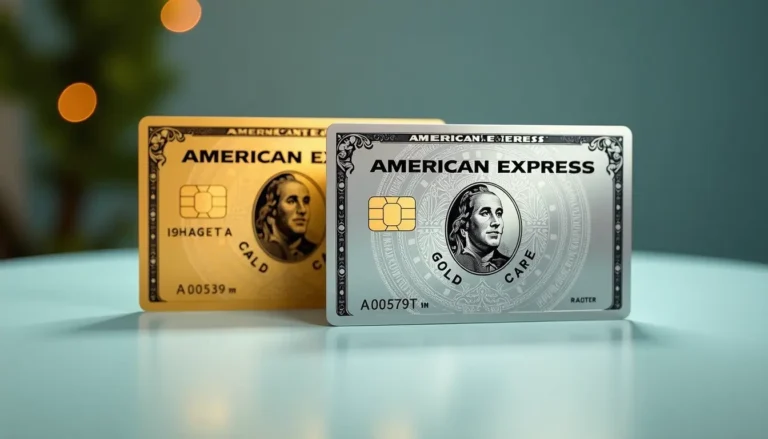
Looking to maximize your savings on daily expenses? Best cashback cards offer a smart way to earn rewards effortlessly while you spend. Whether you’re a frequent shopper or occasional user, the right cashback card can significantly boost your financial benefits.
Navigating the world of cashback cards can be overwhelming with so many options available. This article explores the top choices and strategies that help you get the most out of your purchases without the hassle. Unlocking these secrets can turn everyday spending into rewarding opportunities.
Get ready to discover how to select the best cashback cards tailored to your lifestyle, how to optimize their use, and what to consider before applying. By the end, you’ll be empowered to make informed decisions that enhance your savings effortlessly.
Understanding the Basics of Cashback Cards
Understanding the Basics of Cashback Cards
Cashback cards are a type of credit card that rewards you by giving back a percentage of what you spend. Instead of points or miles, which can sometimes be confusing to use or have limited options, cashback is straightforward: spend money, get money back. It’s like earning a discount on every purchase, making them popular among everyday shoppers in the US.
Typically, cashback cards offer between 1% to 5% cashback on purchases. Some cards give a flat rate across all spending—for example, 1.5% on everything—while others provide higher percentages in specific categories like groceries, gas stations, restaurants, or online shopping. For instance, a card might offer 3% cashback at supermarkets and 1% on other purchases. If you buy $200 worth of groceries one week, you’d earn $6 back with that 3% rate.
This system means you accumulate rewards automatically with each swipe, reducing your overall spending over time. Unlike other reward cards that might require converting points or have blackout dates, cashback cards make saving money simple and flexible. But it’s important to look closely at card details. Some cards have annual fees, while others don’t. Many place caps on how much cashback you can earn at higher rates each quarter or year. Additionally, redemption methods vary—some allow direct statement credits, while others require you to request a payout.
Knowing these terms helps you avoid surprises and ensures you truly maximize your benefits. When used wisely, the best cashback cards can turn your regular spending into steady savings.
How to Choose the Best Cashback Card for Your Spending Habits
How to Choose the Best Cashback Card for Your Spending Habits
Start by taking a close look at your monthly expenses. Track where you spend the most—whether on groceries, gas, dining out, or online shopping. Understanding your spending patterns helps you find a cashback card that rewards you the most in the areas where you spend the most.
There are two main types of cashback cards to consider: fixed-rate and category-based. Fixed-rate cards offer a steady cashback percentage on every purchase, usually around 1.5% to 2%. These are great if your spending is varied or if you want straightforward rewards. On the other hand, category-based cards offer higher cashback rates—often 3% to 6%—in specific categories that rotate quarterly or remain fixed, like groceries or gas. If you spend heavily in certain areas, these cards can maximize your rewards.
Don’t overlook annual fees. Cards with fees often provide better rewards and perks but only make sense if your spending justifies them. Signup bonuses can boost your rewards early on, but pay attention to the spending requirements to unlock them.
For example, a user who spends mostly on groceries and gas might benefit from a category-based card like the Blue Cash Preferred® Card from American Express with high cashback on those categories. Meanwhile, someone with varied purchases might prefer a simple fixed-rate card like the Citi® Double Cash Card for consistent rewards.
Many people use multiple cashback cards to cover different spending habits. Using one card for groceries and another for dining allows you to stack rewards and maximize savings. Just be sure to stay organized and avoid overspending.
Maximizing Rewards with Smart Spending Strategies
Maximizing rewards with smart spending strategies starts with understanding that not all purchases earn the same cashback. The best cashback cards often offer higher percentages in specific categories like groceries, gas, or dining. Focus your spending on these categories using the right card. For example, if your card gives 5% cashback on groceries but only 1% elsewhere, try to use that card exclusively when shopping for food. This simple shift can boost your rewards significantly over time.
Timing your purchases can also make a difference. Many cards launch promotional bonus categories or seasonal offers. Keep an eye on these rotating perks and plan bigger purchases accordingly. Buying a new appliance during a quarter when your card offers 5% back on home goods can yield cashback rewards you otherwise wouldn’t get. Sign up for your card issuer’s alerts or newsletters to stay updated on these limited-time deals.
Leveraging card-specific perks like bonus categories or rotating offers means regularly checking your card’s calendar or app. Some cards automatically activate quarterly categories that pay extra cashback on certain types of spending. Activating these promptly ensures you don’t miss out. Use reminders or budgeting apps to track where you’ve used each card and how much cashback you have accrued.
Tracking your rewards is key. Set simple spreadsheets or use cashback tracking tools offered by card companies to monitor reward balances and expiration dates. This helps you redeem rewards before they lose value and prevents missed opportunities.
Be cautious not to overspend just to chase cashback. Paying interest on balances can wipe out any rewards earned. A small change, like shifting $50 a week from a no-reward card to a high-reward card for routine purchases, can add up to $120 or more saved annually without changing your budget.
Overall, smart spending means matching your purchases with the right cards, timing buys for bonus rewards, and keeping a close eye on your cashback progress. These strategies turn everyday habits into meaningful savings.
Understanding Fees, Interest Rates, and Hidden Costs
Understanding the costs tied to the best cashback cards is crucial for truly maximizing your savings. One of the most common—and sometimes overlooked—fees is the annual fee. While many cashback cards waive this fee, some premium cards charge between $95 and $550 yearly. Unless your rewards exceed this cost, the fee can easily negate your cashback earnings. For example, if a card offers 1.5% cashback but has a $95 annual fee, you’d need to spend over $6,300 annually just to break even.
Interest rates can also eat into your benefits. Most cashback cards charge high APRs on carried balances, often ranging from 15% to 25%. If you don’t pay your balance in full each month, the interest charged can quickly surpass the cashback rewards you earn. Imagine earning $20 cashback but paying $40 in interest—this means you’re actually losing money by using the card.
Foreign transaction fees are another hidden cost that can surprise travelers. Many cards add around 3% to each purchase made outside the U.S. If you use your cashback card abroad without a no-foreign-transaction-fee policy, these charges will chip away at your savings. Always check for cards that waive this fee if you travel frequently.
Additionally, some cards have other fees like late payment fees, balance transfer fees, or cash advance fees. These can accumulate and offset rewards if you’re not careful. To avoid these pitfalls, pay your full balance on time and monitor your monthly statements closely. This vigilance ensures that hidden costs don’t overshadow the cashback you’ve earned, keeping your savings intact.
Tips for Redeeming Cashback Rewards Effectively
Redeeming cashback rewards wisely can significantly boost the value you get from the best cashback cards. One of the most common methods is applying rewards as a statement credit. This option is simple and quick, directly reducing your card balance. However, the value usually equals the face amount of your cashback — there’s little opportunity to stretch it beyond 1 cent per dollar earned.
Direct deposits to a bank account offer similar ease and flexibility. While convenient, this method rarely increases your rewards’ worth, but it allows you to use the cash freely outside your card account.
Gift cards can sometimes provide better value. Many card issuers partner with retailers to offer discounted gift cards or bonuses when redeeming cashback for them. For example, a $100 gift card might only cost $90 in cashback points, effectively increasing your reward rate. The downside is that gift cards lock you into specific stores, limiting how you can spend.
Using cashback toward travel bookings—flights, hotels, or car rentals—may stretch your rewards further, especially if your card offers bonus redemption rates for travel purchases. Some cards double or triple the value of cashback when redeeming this way. Keep in mind that booking flexibility and blackout dates could apply, and travel redemptions might require larger reward balances.
Merchandise redemptions are generally the least valuable. Retail catalogs often price items at values below what your cashback is worth. Plus, shipping fees and limited product selection can make this option less appealing.
To avoid losing rewards, always check your card’s expiration policies. Some cards require you to redeem cashback within a set timeframe; others are more flexible. Waiting too long could mean forfeiting hard-earned rewards.
Timing redemptions around promotional offers is another smart move. Issuers occasionally run bonus redemption events, increasing your cashback’s value temporarily. Planning redemptions during these windows can squeeze extra savings out of your best cashback cards.
Top Best Cashback Cards Available in the US Market
Top Best Cashback Cards Available in the US Market
Several standout cashback cards dominate the US market today, each catering to different spending habits and lifestyle needs. For those who prefer simplicity, cards offering flat-rate cashback are ideal. The Citi® Double Cash Card rewards users with 2% cashback on all purchases—1% when you buy and another 1% when you pay off your balance. There’s no annual fee, and the flat rate means you don’t have to track categories.
If you like earning more cashback in specific spending categories, consider cards with rotating rewards. The Chase Freedom Flex℠ stands out by offering 5% cashback on rotating quarterly categories like groceries, gas, or dining (up to a quarterly maximum), plus 1% on all other purchases. It also comes with a $200 signup bonus after spending $500 in the first 3 months and no annual fee.
For premium benefits and a mix of cashback with travel perks, the Blue Cash Preferred® Card from American Express is a strong contender. It offers 6% cashback at U.S. supermarkets (on up to $6,000 annually), 6% on select streaming, 3% at gas stations, and 1% on other purchases. There is a $95 annual fee, balanced by generous rewards for frequent grocery shoppers.
Consider combining a flat-rate card with one that rewards rotating categories or specific spending to maximize your savings across all areas. Always align your card choices with your spending habits for the best value—and don’t forget to factor in fees and bonus offers when making a decision.
Maximize Your Savings with the Right Cashback Card
By understanding how cashback cards work and matching them to your spending habits, you can unlock significant savings effortlessly. Smart strategies and mindful usage turn everyday purchases into valuable rewards. Remember to watch out for fees and redeem your cashback wisely to enjoy the full benefit.
Choosing the best cashback cards tailored to your lifestyle takes some upfront research but pays off in the long run. Keep your financial goals in mind and be proactive in managing your cards to keep earning. The potential to save more is within your reach with just a few simple steps.
Ready to start maximizing your cashback rewards? Share your experiences with different cards or strategies in the comments below and help others save too. Don’t forget to share this article with friends who might benefit from these tips!
Sobre o Autor